Why Tape Now
Why LTO for the modern cold tier.
Data growth, long retention mandates, and cyber recovery planning are forcing teams to redesign archive architecture. Tape libraries are designed for this cold tier role: automated, standards-based, and operationally predictable at scale.
Durability and retention
LTO Program guidance highlights tape as a long-horizon archive medium, with published retention expectations up to multi-decade timelines.

Cyber and governance controls
LTO workflows support offline air-gapped copies plus WORM and encryption-ready controls for stronger recovery and compliance posture.

Power-at-rest advantage
LTO media consumes no power at rest, helping teams design colder archive tiers without scaling always-on storage energy linearly.
Where tape fits
The workloads that put an LTO tape library in the plan.
An offline tape copy gives the backup set a layer that ransomware cannot reach over the network, which is why these teams keep a cold tier on tape next to their disk and cloud storage.
Storage evolution loop
From original tape to modern tape density.
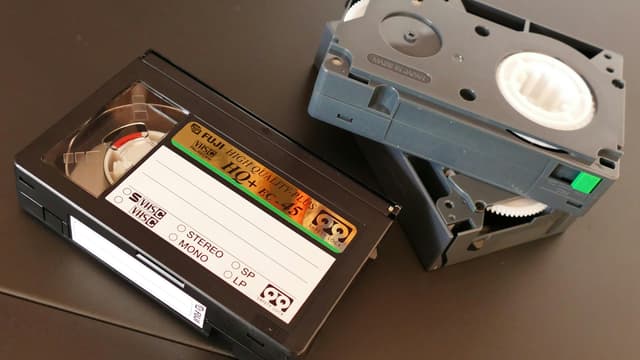
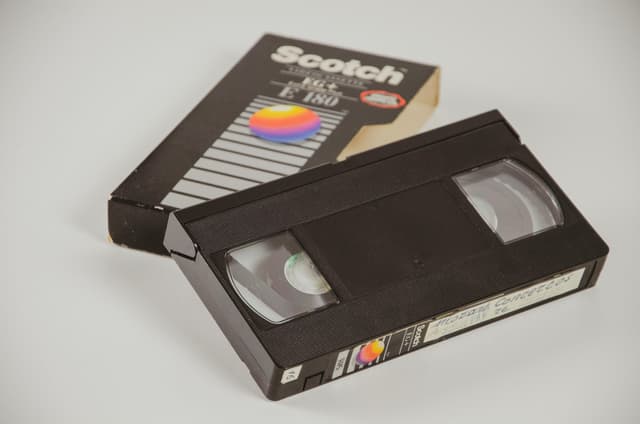
Data infrastructure evolved in cycles: first tape for economical bulk retention, then HDD and flash tiers for faster access. As global data volume surged and retention windows lengthened, cold data strategy shifted back to modern tape automation for dense, cost-aware archive operations.
The point is not that tape replaces performance storage. The point is architecture fit: use fast tiers for hot data and use modern tape for long-horizon data that must be retained, governed, and recoverable.
What changed
Data growth accelerated from gigabyte and terabyte-era archives to petabyte and exabyte planning horizons. More data now becomes "cold," but still must be retained.
Why tape returns
Tape remains a strong fit where long retention, cyber resilience via physical separation, and power-at-rest economics matter more than sub-second retrieval.
How Qualstar fits
Qualstar combines modern tape automation, standards-based LTO workflows, and scalable Q Series to support practical cold-tier architecture from TB to EB.
Early Tape
Disk HDD
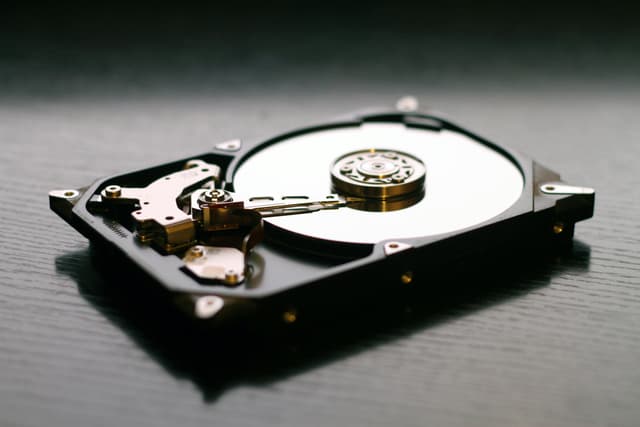
Flash SSD
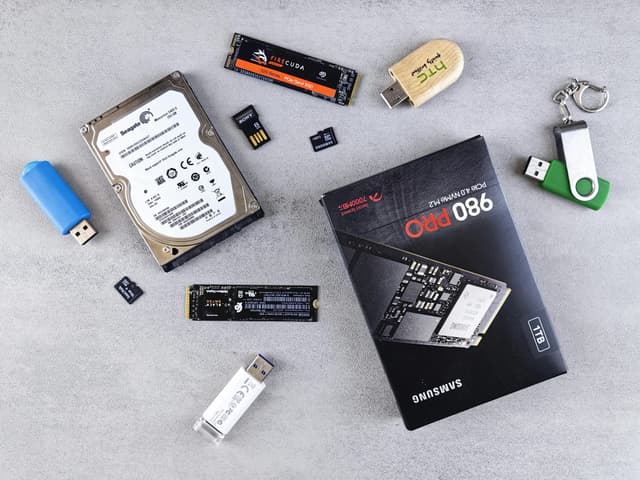
Modern Tape (Q1000+Powered by Orion)
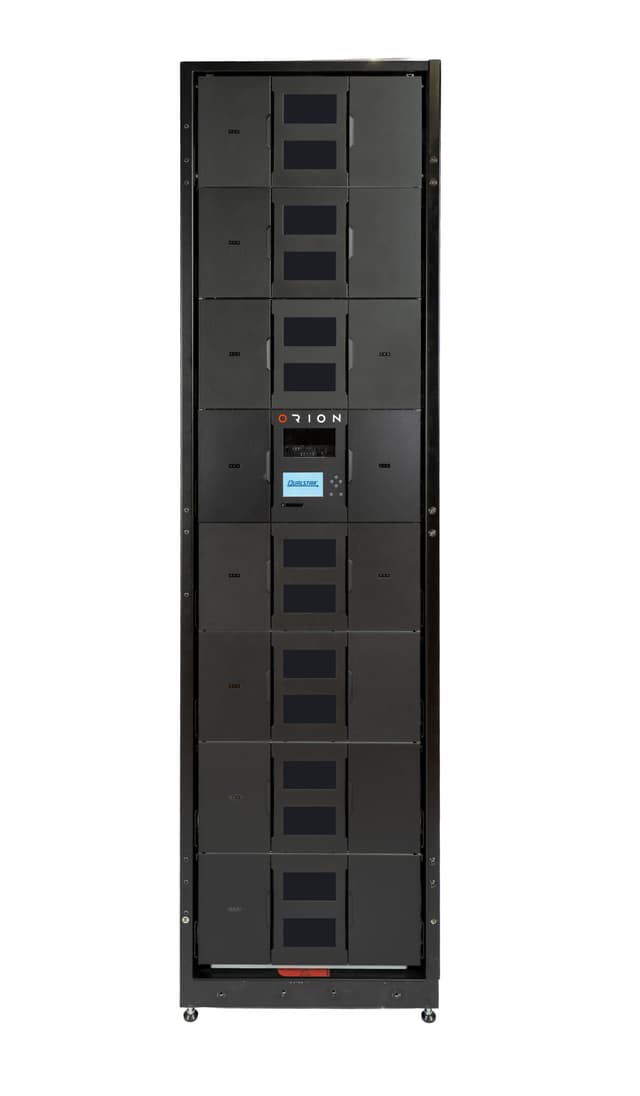
Back to the Beginning
Not all data needs instant access. Modern tape supports dense, cost-aware, long-horizon cold storage with offline recovery workflows.
Why LTO evidence
Practical benefits cited by the LTO Program
- Designed for long-term retention with published multi-decade media expectations.
- Offline media handling supports true air-gapped recovery workflows.
- Supports WORM and encryption-ready governance architectures.
- Media uses zero power at rest for energy-aware archive design.
Source and graphic credit: LTO Program - Benefits of LTO.
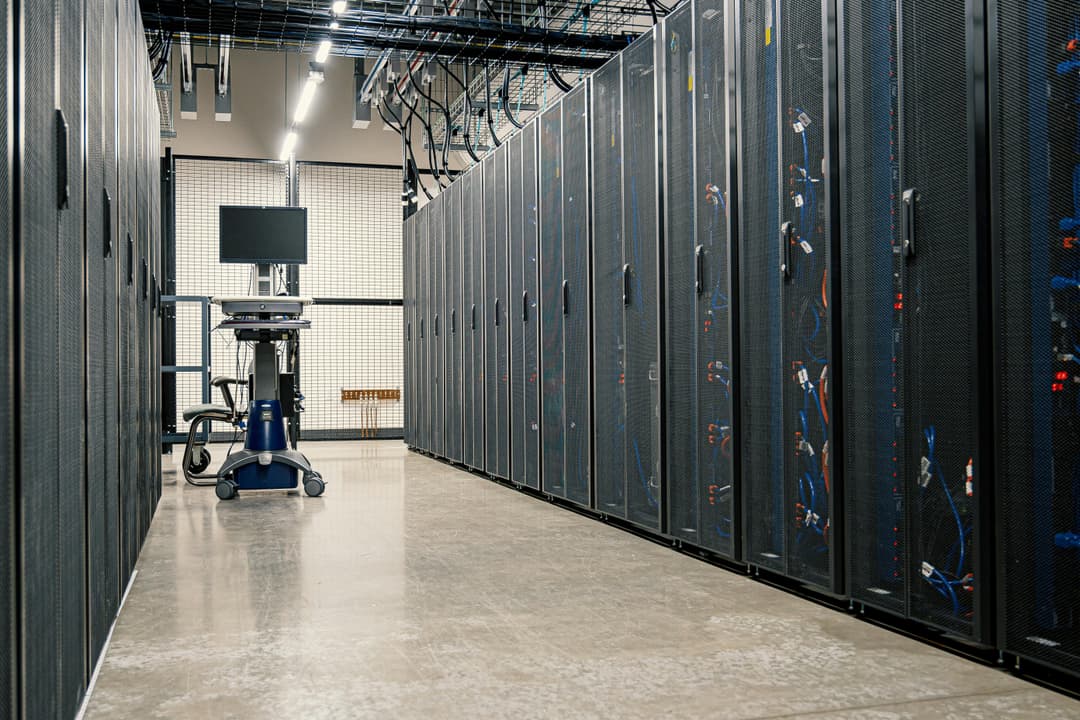
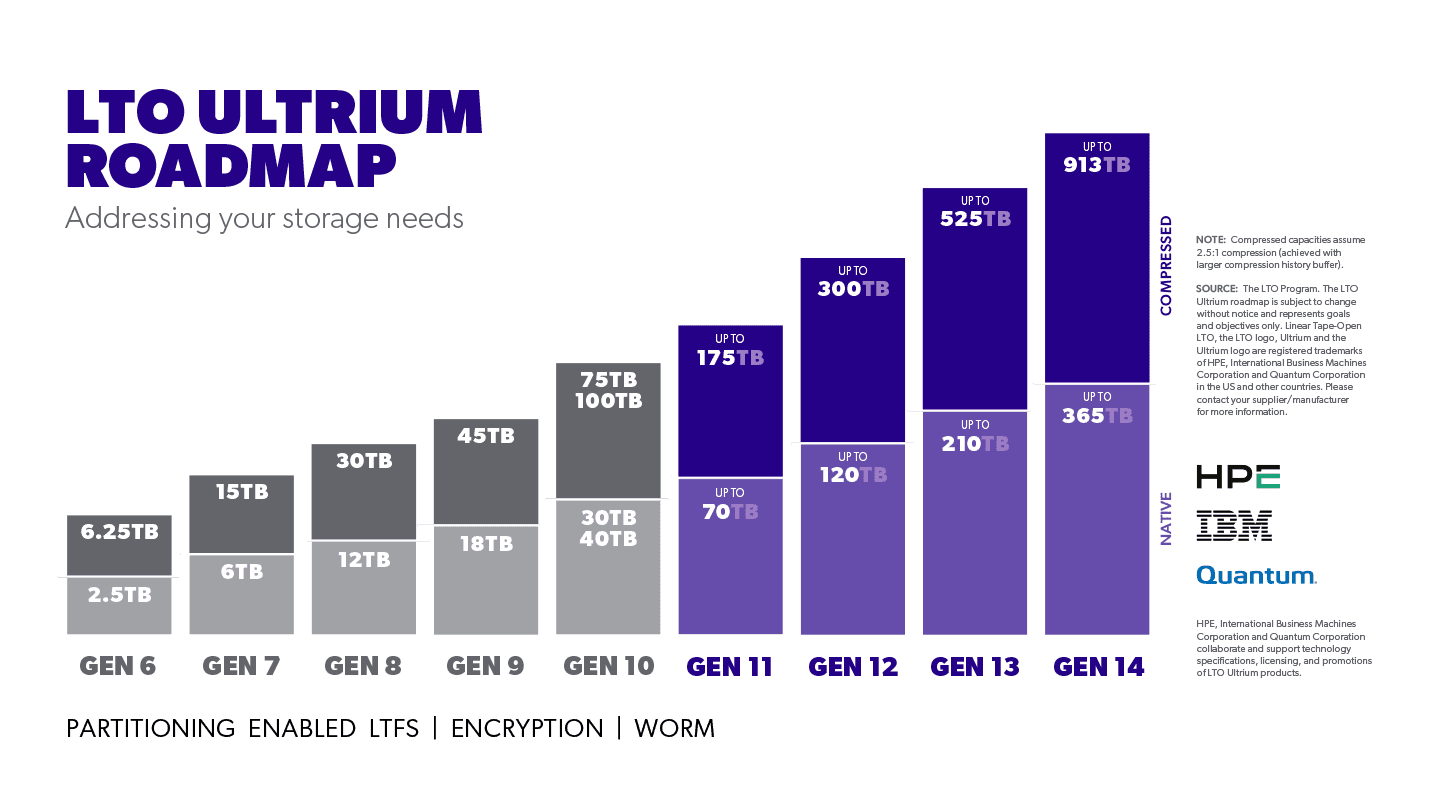
LTO-10: 30/75 TB and 40/100 TB media classes · 400 MB/s · 44.6 PB per 48U rack on Q1000+Powered by Orion.
See full product specs >Next step
Translate strategy into sizing and migration plans.
Move from category narrative to execution: map use case, target class, and migration approach.