Industry · Oil & Gas
Long-lifecycle energy data archives on LTO tape with resilient copy strategy and operationally controlled retention.
For upstream, midstream, downstream, and energy analytics teams, modern tape can provide a strategic cold tier for seismic libraries, operational records, and continuity copies.
Long-lifecycle retentionOffline recovery pathwayGoverned data handlingPredictable storage economicsScales for field-to-core growth
Why tape for oil and gas in 2026
Seismic and operational datasets remain large and long-lived, stressing active storage budgets.
Offline copy layers can support resilience against cyber and site-disruption scenarios.
Policy-based archive controls help standardize retention across distributed operations.
Retention drivers
- Long-life operational and exploration data retention needs.
- Distributed site data and centralized archive requirements.
- Cost control over multi-year infrastructure programs.
Security and governance
- Recovery models that account for cyber and site disruption scenarios.
- Governance controls for regulated operational records.
- Policy consistency across distributed operations.
Lifecycle workflow
- Consolidate inactive datasets into governed archive tiers.
- Align ingest and retrieval targets to operational windows.
- Expand archive capacity as field and corporate data grows.
Regulatory Retention
Support governance policies that require multi-year retention, auditability, and controlled access.
Why this fit: Supports long-lifecycle operational and compliance data retention.
Cyber Recovery Vault
Add an offline recovery layer beyond network reach to support ransomware recovery planning.
Why this fit: Pattern alignment based on retention and recovery constraints.
Common oil and gas datasets that often fit tape tiers
Seismic survey libraries
Long-retention seismic data and derived products used for reprocessing and analysis.
Production and field history archives
Historical operational records retained for engineering and compliance workflows.
Geoscience and simulation outputs
Completed model runs and interpretation artifacts requiring long-horizon retention.
Operational and security logs
Extended-retention logs and incident evidence for investigations and reporting.
Regulatory and legal evidence packs
Retention records and documentation packages for audits and regulatory review.
DR copy sets for core platforms
Offline or vaulted copies supporting continuity planning across regional operations.
Governance and operational assurance
Energy retention programs often require consistent policy application, traceable media handling, and repeatable retrieval for audit and operational review.
What tape helps with:
- Retention classes aligned to exploration, operations, and compliance datasets.
- WORM-capable workflows for write-once style control where policy requires.
- Documented inventory and custody procedures for media movement.
- Scheduled retrieval tests and evidence capture for readiness assurance.
This is not legal advice; align archive controls with your compliance and regulatory teams.
Imagery strip

Long-lifecycle data strategy
Offline recovery pathways
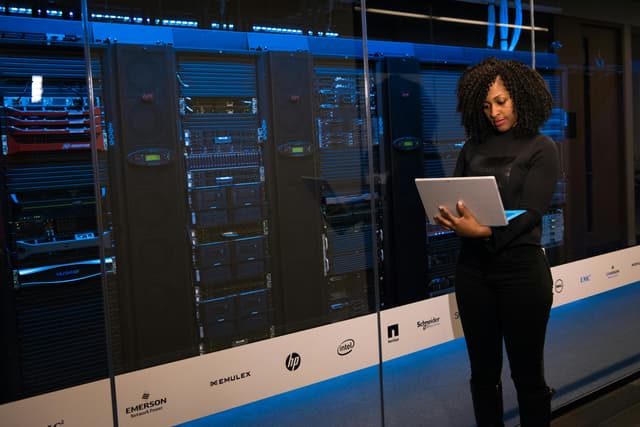
Retention and audit workflows
Energy archive and recovery pattern
Operational storage and data lakes
→
Backup or archive software
→
Tape library
Optional layers
- Field-to-core staging layer for ingest normalization
- Offsite vaulting for geographically separated copies
- Secondary recovery site integration
Operational callouts
- A 3-2-1-1 style strategy is commonly used in layered resilience designs.
- Routine inventory reconciliation and restore testing improve operational confidence.
Operational workflow for energy data retention
1. Define retention classes by dataset type
Map seismic, operational, and compliance data to policy tiers.
2. Run scheduled ingest and verification
Validate archive writes and track exceptions.
3. Maintain metadata and media catalogs
Track location, ownership, and retention state.
4. Rotate and vault media
Document custody and transport controls across sites.
5. Execute retrieval drills
Test recovery workflows for operational and regulatory scenarios.
6. Retire media by policy
Apply secure retirement and evidence controls.
How Qualstar supports energy archive teams
- Sizing guidance for long-lifecycle data growth and ingest windows.
- Class options from regional deployments to enterprise-scale programs.
- Serviceability and lifecycle planning support for long-duration operations.
- Integration guidance for commonly used backup and archive software ecosystems.
Validate software compatibility and operational workflows in your target environment before production rollout.
Recommended Qualstar path
Start with the right class, then scale with demand.
Recommended configurations for oil and gas
Regional or site-level archive
For localized data retention and periodic rotation workflows.
Q24Q40
Core operational archive tier
For larger data volumes and higher throughput requirements.
Q40Q80
Centralized long-horizon retention estate
For high-growth, multi-petabyte archive planning.
Q1000+
How to choose
- Retention horizon by dataset class and regulatory requirement.
- Ingest/restore throughput requirements by operational cycle.
- Geographic distribution and custody workflow complexity.
- Automation requirements for lean operations teams.
- Lifecycle roadmap for capacity expansion.
Oil and gas archive FAQ
Is tape suitable for seismic and long-lifecycle data?
Yes, tape is commonly used for long-horizon datasets that are infrequently accessed but operationally important over long periods.
How does tape support resilience in distributed operations?
Offline and vaulted copy sets can support continuity workflows when paired with tested recovery procedures.
How do we manage custody across sites?
Use standardized labeling, inventory systems, transport logs, and explicit handoff controls for auditable custody tracking.
Can retrieval remain predictable?
Predictability depends on catalog discipline, workflow design, and regular restore rehearsal.
What should we pilot first?
Pilot representative seismic and operational datasets and validate ingest, retrieval, and governance controls before scaling.
Resources for oil and gas archive planning
Reference materials and planning docs
Next step
Get a retention plan and library sizing for your oil & gas archive.
Share how much data you hold and how long it must stay readable. A Qualstar specialist replies with a library recommendation, an offline-copy plan, and budget guidance during business hours.
- Sized for oil & gas retention windows and growth
- Offline copy for ransomware and disaster recovery
- Q24, Q40 and Q80 libraries, LTO-9 and LTO-10 ready
- Tape media in stock and shipping in weeks
Get a retention plan and library sizing
Tell us how much data you hold and how long it must stay readable. A Qualstar specialist will reply with a sizing recommendation during business hours.
More ways to start
Build a practical retention and recovery plan for your oil & gas environment.
Share your retention classes, growth assumptions, and recovery targets. We can help map an operating model and right-sized library path.