Retain training datasets, simulation output, and reproducibility archives without keeping all data on always-on storage.
Why this fit: Supports high-growth cold tiers for multi-tenant infrastructure.
Industry · Cloud Data Centers
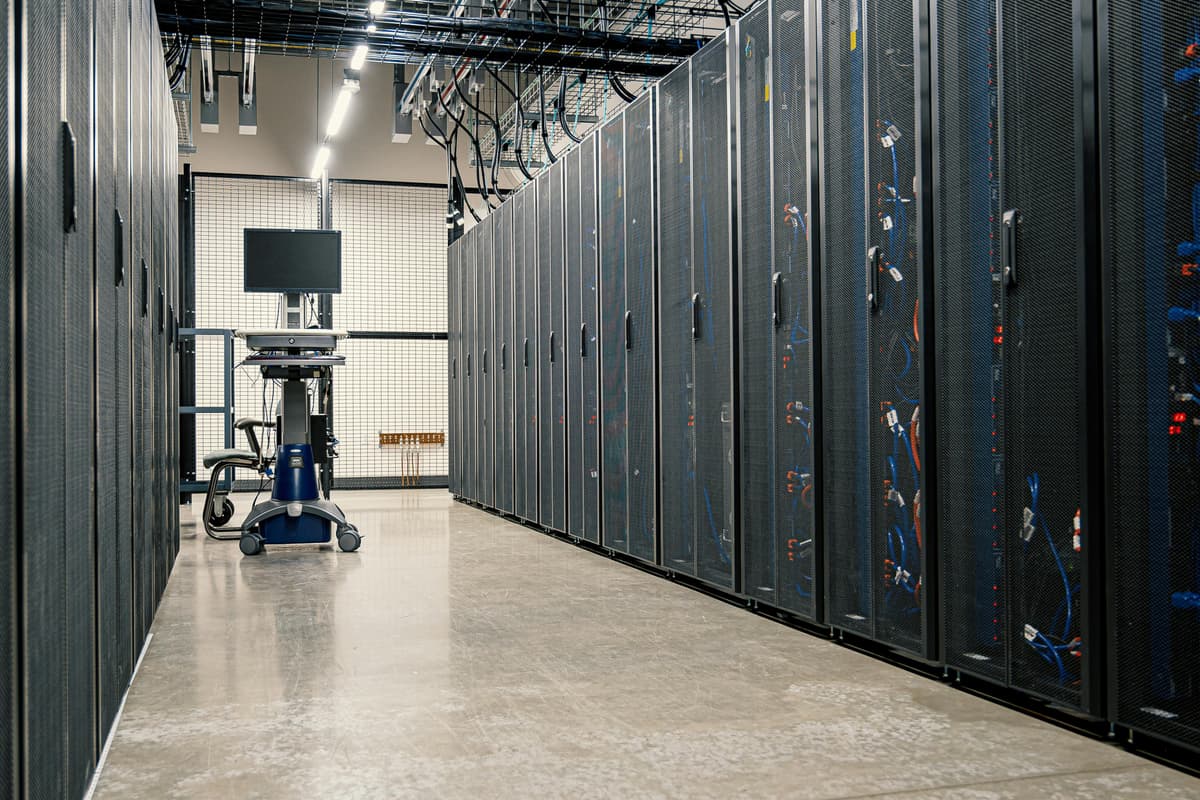
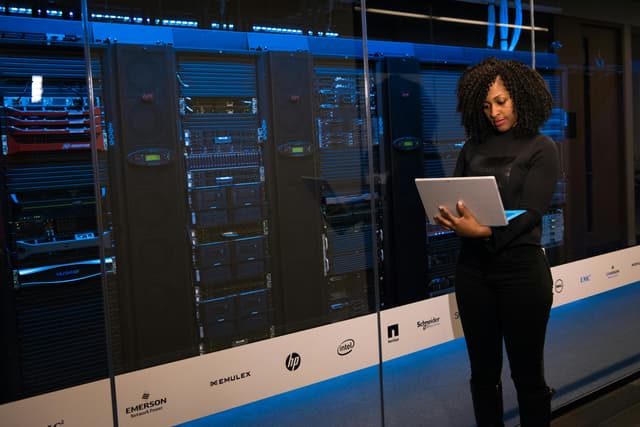
For hyperscale providers, managed cloud platforms, and large multi-tenant environments, modern tape can serve as a strategic cold tier for long-lived datasets, recovery copies, and cost-controlled growth.

Retention drivers
Security and governance
Lifecycle workflow
Mapped use-case patterns
Retain training datasets, simulation output, and reproducibility archives without keeping all data on always-on storage.
Why this fit: Supports high-growth cold tiers for multi-tenant infrastructure.
Add an offline recovery layer beyond network reach to support ransomware recovery planning.
Why this fit: Pattern alignment based on retention and recovery constraints.

Long-retention backup copy sets that require durable storage and controlled retrieval workflows.
Aged object data and lifecycle tiers moved off high-cost active storage classes.
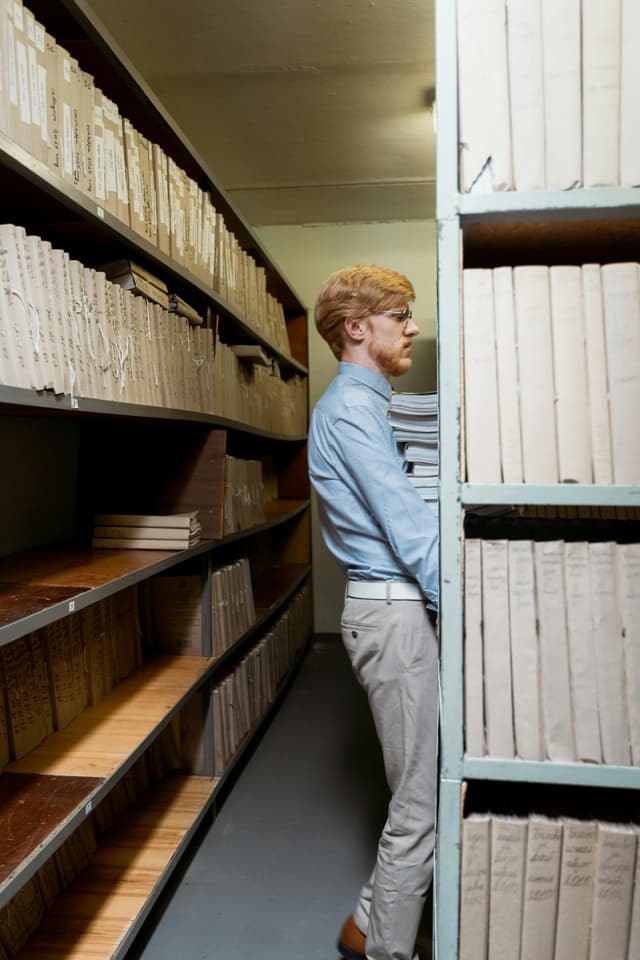
Governed data sets retained under customer policy and service-level requirements.
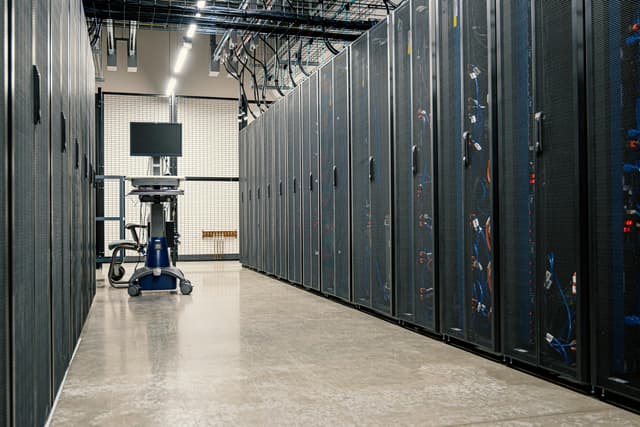
Older operational and business analytics partitions maintained for historical reporting.
Extended-retention security evidence and incident snapshots for post-incident analysis.

Completed model artifacts and simulation outputs retained for reproducibility and governance.
Cloud archive programs typically require clear retention controls, tenant separation, and reproducible retrieval operations for audits and contractual evidence needs.
What tape helps with:
This is not legal advice; align archive controls with your compliance, legal, and customer contract obligations.
Imagery strip
Large-scale cold-tier planning
Offline resilience pathways
Governed archive operations
Optional layers
Operational callouts
Map lifecycle policies to service plans and governance objectives.
Schedule long-horizon data movement with verification checks.
Track data class, owner, and media location metadata.
Document onsite/offsite movement and custody transitions.
Perform SLA-focused restore drills and reconciliation reviews.
Enforce lifecycle retirement with documented disposition controls.
Cloud providers often run mixed software stacks. Validate policy behavior, performance, and recovery workflows in your target environment.
Recommended Qualstar path
For regional archive pools with moderate to high ingest demand.
For central retention pools and long-horizon data growth.
For multi-petabyte expansion and centralized operations.
How to choose
Yes. Tape is generally used as a cold tier behind policy-driven workflows, especially where long retention and cost predictability are priorities.
Offline and vaulted copies can reduce exposure to network-reachable attack paths when combined with tested recovery procedures.
Use clear cataloging, retrieval classes, and operational SLAs. Retrieval performance depends on workflow design and restore planning.
Encryption-capable LTO workflows can be used with documented key-management controls aligned to security policy.
Compatibility with backup software, ingest behavior, restore performance, and audit evidence workflows should be tested before rollout.
Reference materials and planning docs
Next step
Share how much data you hold and how long it must stay readable. A Qualstar specialist replies with a library recommendation, an offline-copy plan, and budget guidance during business hours.
Tell us how much data you hold and how long it must stay readable. A Qualstar specialist will reply with a sizing recommendation during business hours.
More ways to start
Share your retention classes, growth assumptions, and recovery targets. We can help map an operating model and right-sized library path.