
Ransomware attacks now cost organizations an average of $5 million in recovery expenses and require weeks to remediate. The distinction between organizational survival and failure often depends on the adoption of offline, physically isolated storage strategies. This guide examines how air-gapped tape storage, particularly through solutions such as Qualstar's enterprise-grade Q-Series libraries, offers a level of ransomware protection that network-attached and cloud backups cannot guarantee.
Ransomware-Proof Storage: How Air-Gapped Tape Protects Critical Data
Ransomware attacks now cost organizations an average of $5 million in recovery expenses and require weeks to remediate. The distinction between organizational survival and failure often depends on the adoption of offline, physically isolated storage strategies.
Published in Archive · 8 min read
The Escalating Ransomware Threat Landscape
Ransomware has evolved from a criminal curiosity into one of the most economically devastating cybersecurity challenges facing organizations worldwide. Recent data shows that ransomware attacks now exceed the average damage cost of $5 million, with recovery timelines stretching weeks or even months. Unlike traditional malware, ransomware encrypts critical data and demands payment for decryption keys, but even payment offers no guarantee of data recovery.
The sophistication of modern ransomware campaigns has dramatically increased. Attackers don't simply deploy encryption payloads; they conduct extended reconnaissance, establish persistent access, harvest sensitive data before encryption, and sometimes target backup systems directly. This multi-stage approach makes traditional backup strategies vulnerable at multiple points in the recovery chain.
Why Network-Attached Backups Fall Short
Many organizations assume that maintaining backup copies on network-attached storage (NAS), storage area networks (SANs), or cloud platforms provides adequate protection. However, this assumption often introduces significant risk.
Network-attached backups face several critical vulnerabilities. First, any backup system connected to an organization's network remains accessible to attackers who establish lateral movement within the environment. Ransomware operators have become adept at identifying and compromising backup infrastructure, sometimes even before encrypting primary data. Second, credential theft and account compromise can grant attackers direct access to backup systems. Cloud backup accounts protected only by compromised credentials offer no meaningful protection. Third, cloud provider accounts can be accessed through stolen API keys, compromised administrative credentials, or social engineering attacks against cloud vendor staff.
Even modern backup software with sophisticated versioning and retention policies doesn't solve the fundamental problem: if the backup system itself is network-connected, it remains within the threat surface.

Understanding True Air-Gapped Protection
An air gap represents physical, not merely logical, isolation from network infrastructure. A true air-gapped backup sits offline, disconnected from any network, unreachable by any protocol, and invulnerable to any remote exploit.
This distinction matters profoundly. Logical isolation through network segmentation, VLANs, or firewall rules can be circumvented by sophisticated attackers or compromised administrators. Physical air-gapping cannot be overcome remotely. A backup cartridge stored offline consumes zero power, requires zero network connectivity, and exists completely outside the digital attack surface.
Tape cartridges exemplify this principle. Unlike disk-based backup systems that require continuous power and network connectivity for management, tape media remains inert and secure when unmounted from a library. A cartridge sitting on a shelf, whether in a climate-controlled vault or a secure off-site facility, is completely unreachable to any network-based attacker.
How Tape Storage Delivers Genuine Offline Protection
Tape technology has long served as the foundation of air-gapped backup strategies, and modern LTO (Linear Tape-Open) technology makes this approach more practical and cost-effective than ever.
Tape's advantages for ransomware protection are substantial. First, tape libraries automate the write-once-read-many (WORM) process, ensuring data cannot be modified or overwritten after initial recording. This immutability makes tape ideal for compliance requirements and provides cryptographic protection against tampering. Second, tape offers exceptional durability and longevity; LTO cartridges maintain data integrity for 20 to 30 years, far exceeding the lifespan of disk or flash media. Third, tape's offline nature means there is no attack vector. Ransomware cannot encrypt what it cannot access.
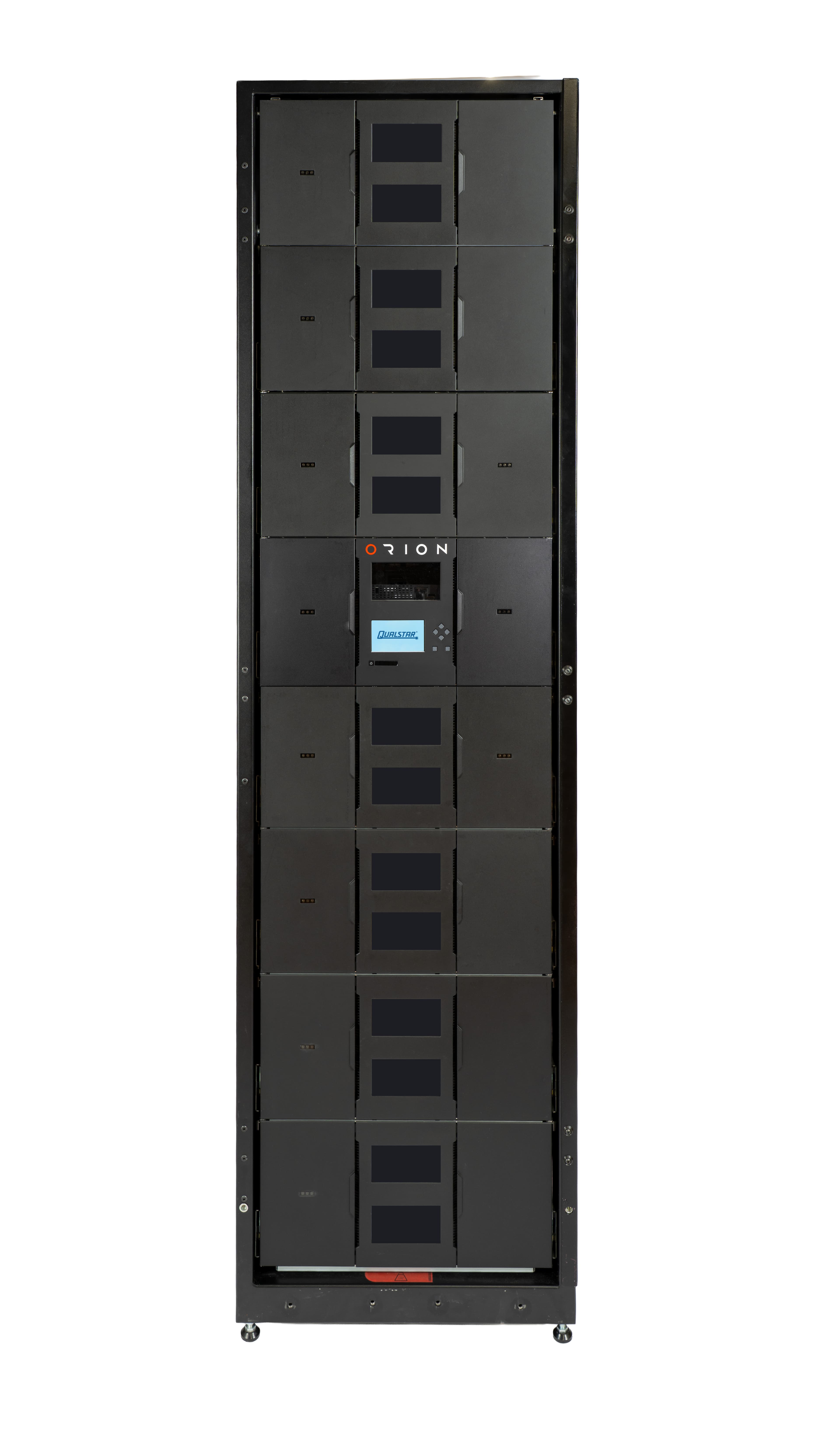
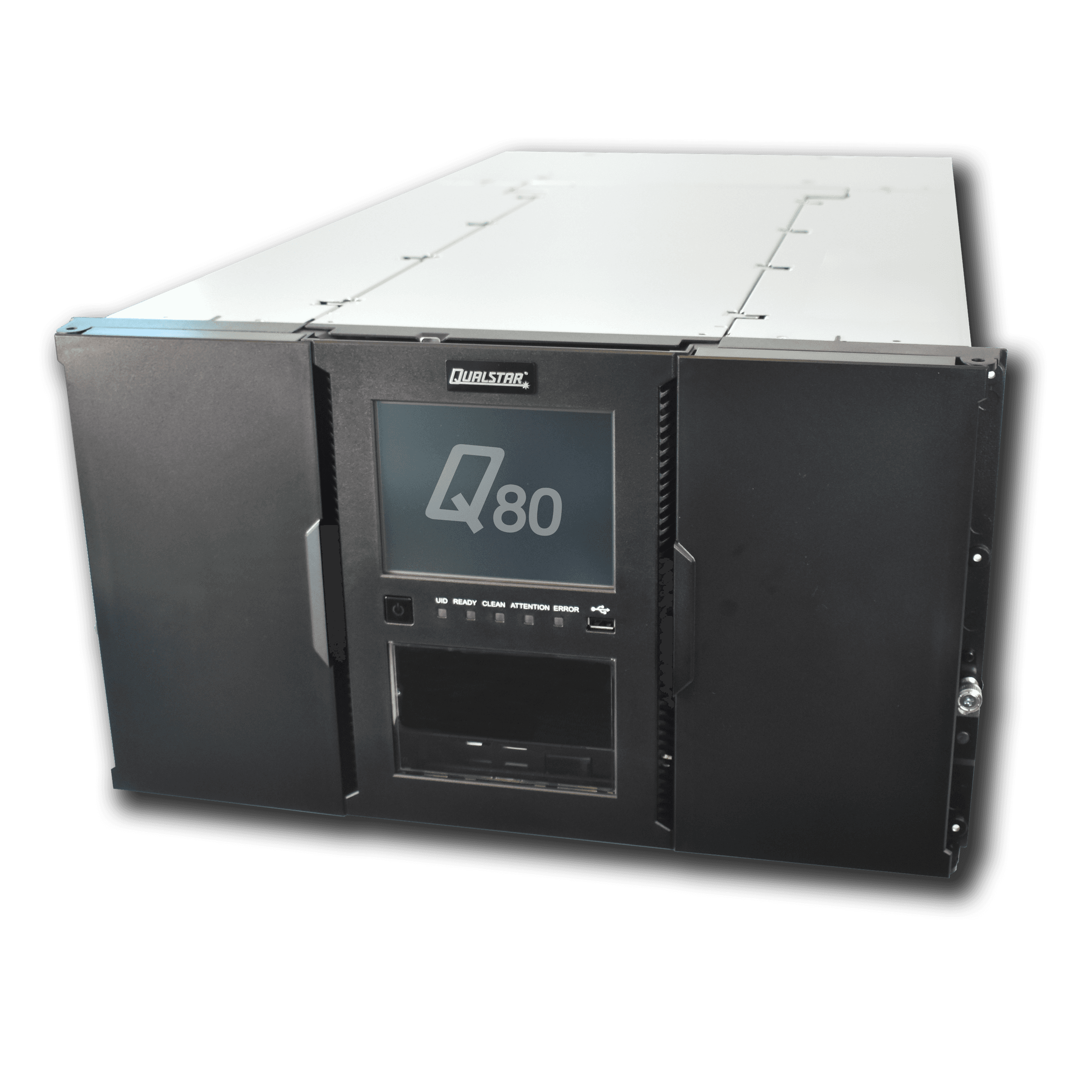
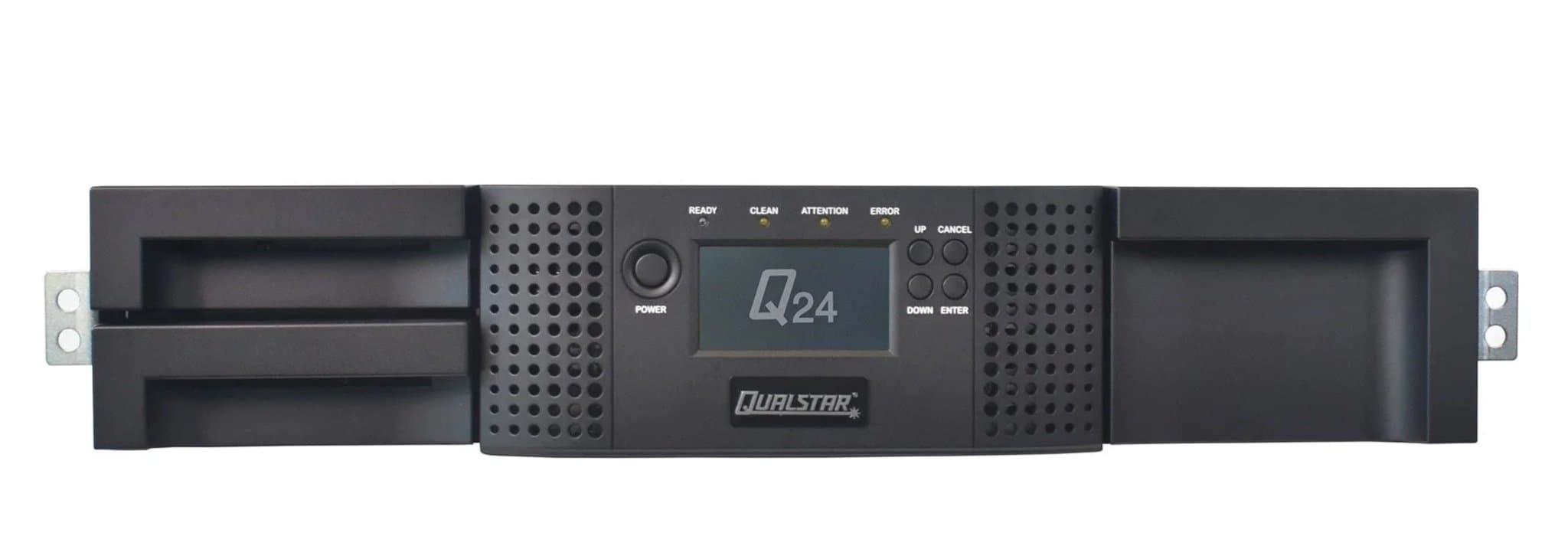
Qualstar is one of the last remaining independent tape library manufacturers, with over 40 years of innovation in California. The company provides standards-based LTO solutions without vendor lock-in or slot fees. This approach ensures that organizations are not confined to proprietary ecosystems for their most critical recovery layer. Qualstar's Q-Series libraries offer a range of capacity options to meet diverse organizational requirements: the Q8 (1U, 144TB), Q24 (2U, 432TB), Q40 (modular, up to 19.2PB), Q80 (enterprise, up to 16.8PB), and Q1000+ (rack-scale, 44.6PB per 48U rack).
Implementing the Cyber Recovery Vault Strategy
Leading organizations have embraced the concept of a "cyber recovery vault", a dedicated, offline infrastructure explicitly designed for ransomware recovery. This approach extends beyond simple backup retention.
A cyber recovery vault operates under controlled conditions with restricted access, isolated restore workflows, and comprehensive audit logging. Tape storage provides a strong foundation for such a vault because cartridges can be physically stored in secure, climate-controlled environments, retrieved only when recovery is necessary, and restored via air-gapped connections to verified, clean infrastructure.
The vault approach also incorporates immutable record-keeping through WORM-enabled tape storage. Once data is written to WORM cartridges, it cannot be modified, overwritten, or deleted, even by administrators with full system access. This immutability provides non-repudiation and compliance assurance alongside ransomware protection.
The 3-2-1 Backup Rule and Tape's Critical Role
Industry best practices recommend the 3-2-1 backup framework: maintain three copies of critical data, on two different media types, with one copy stored offsite.
Tape fulfills the off-site and offline requirement that disk-based backups cannot match. A typical 3-2-1 implementation might maintain primary data on production systems, an on-site disk backup for rapid recovery, and an air-gapped tape copy stored offsite or in a vault, oftentimes with organizations like Iron Mountain that store your tapes literally in a vault inside of a mountain. This configuration ensures that even if ransomware compromises both production and primary backup infrastructure, the tape-based tertiary copy remains completely protected.
Qualstar's Standards-Based Approach
A critical advantage of Qualstar's tape library solutions is their commitment to standards-based LTO technology without proprietary lock-in. Organizations adopting Qualstar systems for ransomware protection won't face vendor lock-in or excessive slot fees that characterize some competitor offerings.
This approach provides genuine long-term investment security. If organizational needs evolve, data remains accessible through any LTO-compatible device. Qualstar's Q-Series libraries support industry-standard interfaces and protocols, ensuring compatibility across enterprise infrastructure.
Ransomware poses an existential threat to organizational continuity; however, air-gapped tape storage offers proven, mathematically sound protection that network-connected backup systems cannot match. Implementing a cyber recovery vault strategy based on Qualstar's standards-based tape libraries enables organizations to ensure that their most critical data remains recoverable even after sophisticated attacks.
The necessity of offline backup protection is now evident due to recent ransomware trends. The primary consideration is how rapidly organizations can implement true air-gapped storage to join the increasing number of enterprises for which ransomware is an inconvenience rather than a catastrophe.
Best-fit library
Cyber Recovery Vault
Add an offline recovery layer beyond network reach to support ransomware recovery planning.
Related posts
Cyber RecoveryEnterprise IT
Case Study: Tape Anchors a Resilient Backup Build in Puerto Rico
CaribSys built a hybrid backup platform in Puerto Rico with HYCU, Synology, Wasabi, and a Qualstar LTO-9 tape library as the offline archive tier.
Published in Archive · 3 min read
Cyber RecoveryEnterprise IT
Tape vs. Cloud for AI Data Storage: What Happens After Training?
After training, the dataset and checkpoints are the asset. Why an air-gapped LTO tape copy on hardware you own keeps AI training data out of reach.
Published in Archive · 5 min read
Product ReleaseEnterprise IT
The LTO-10 Reset: Enterprise Tape Without Enterprise Overhead
LTO-10 drives use only LTO-10 media, so every LTO-10 archive starts from zero. Why now is the time to re-price the library, and where the Q1000+ fits.
Published in Archive · 6 min read